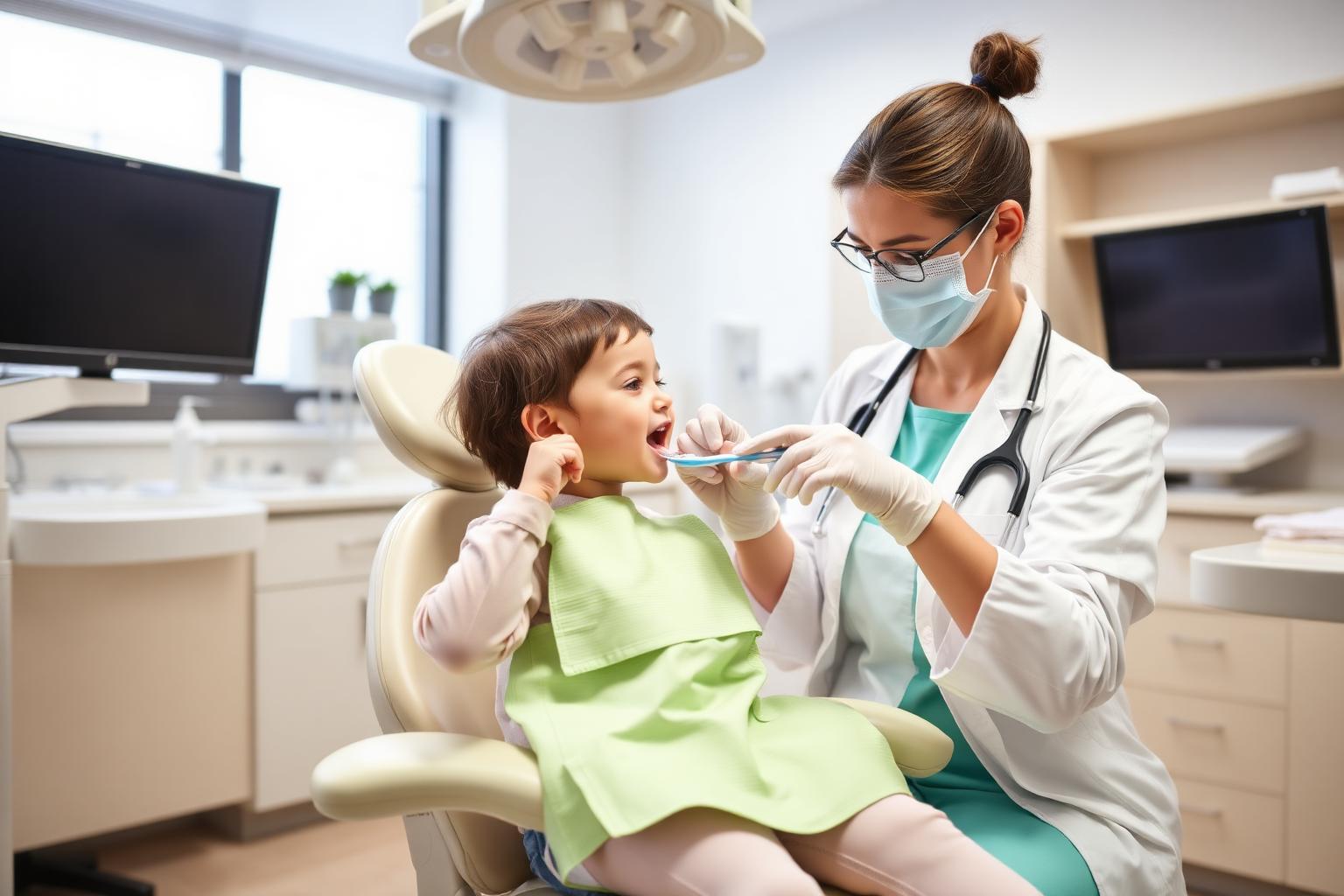
Understanding Pediatric Sedation Levels and Safety Protocols in Canton, Ohio
Canton Pediatric Dentist provides pediatric sedation dentistry for infants, children, and teens in Canton, Ohio, as a pediatric dental practice following American Academy of Pediatric Dentistry (AAPD) and American Dental Association (ADA) clinical guidance.
Pediatric sedation dentistry in Canton, OH follows a structured range of clinical levels, from nitrous oxide to oral sedation, with careful medical screening and monitoring throughout.
The Clinical Levels of Pediatric Sedation
Pediatric sedation is not a single tool but a range of clinical options, each matched to a specific level of anxiety, treatment complexity, and medical background. Our team selects the lightest option that will still allow safe, efficient completion of care, following guidance published by the American Academy of Pediatric Dentistry. Understanding these levels helps families know what to expect before, during, and after an appointment.
Nitrous Oxide: Minimal Sedation
How It Works
Nitrous oxide, delivered through a small nasal mask, is the mildest sedation level we use. It blunts anxiety and gag reflex while your child stays fully awake, breathing on their own, and able to answer questions throughout the visit. Onset is within minutes, and once the mask is removed and oxygen is given, effects clear almost immediately.
Best Suited For
This level fits mild to moderate nervousness during procedures like cavity fillings or sealant placement, where a child mainly needs help sitting still and staying calm rather than full sedation.
Oral Conscious Sedation: Moderate Sedation
For children who need a deeper level of relaxation, we may prescribe an oral sedative taken shortly before the appointment. Children in this state are drowsy, sometimes drift in and out of light sleep, but continue to respond to voice and touch and retain protective airway reflexes. This option is often reserved for longer visits combining several procedures, or for kids whose anxiety has not responded well to nitrous oxide alone.
Screening Before Prescribing
Before any oral sedative is prescribed, we complete a full medical history review covering current medications, allergies, weight, prior anesthesia experiences, and any breathing or cardiac concerns. Certain conditions may mean oral sedation isn't appropriate, and we'll say so directly rather than proceed.
When General Anesthesia Is the Better Fit
Some children — because of age, extensive treatment needs, or a medical or developmental profile that makes office-based sedation unsuitable — are better served by hospital-based general anesthesia. In those cases we refer to a pediatric anesthesiologist or oral surgeon who can provide that level of care in a hospital or surgical center with the appropriate staffing and equipment. We stay involved in planning the dental treatment itself and coordinate records so nothing gets lost between offices.
Fasting and Pre-Visit Instructions
Any sedation beyond nitrous oxide requires fasting guidelines, typically no solid food for a set number of hours before the appointment and clear liquids permitted up to a shorter cutoff. We give families written instructions specific to the sedative prescribed, along with guidance on which routine medications should or should not be taken the morning of treatment. Following these instructions precisely is one of the biggest factors in a smooth appointment.
Monitoring During Treatment
Throughout any sedated procedure, a team member is assigned solely to observe your child — watching oxygen saturation, heart rate, and breathing on continuous monitoring equipment, separate from the clinician performing treatment. Our staff maintain current training in pediatric emergency response, and equipment is checked regularly as part of office protocol. This dedicated monitoring is standard practice regardless of how minor the sedation level appears.
Recovery at Home
After oral conscious sedation, children are kept in the office under observation until they meet specific discharge criteria — steady breathing, appropriate alertness, and stable vital signs. At home, kids often remain groggy or unsteady for several hours; we ask parents to keep them resting, supervised closely near an adult, and offer only light food and fluids until they're fully back to baseline. We provide a written recovery sheet covering warning signs that warrant a call to our office.
Talking Openly About Risk and Safety
No sedation is entirely without risk, and we do not promise a guaranteed outcome for any individual child. What we can commit to is careful screening, conservative dosing, continuous monitoring, and a team trained to respond quickly if something unexpected happens. If you have questions about how a specific medical condition or medication might interact with sedation, we encourage you to raise them well before the scheduled visit so we can plan accordingly, sometimes in coordination with your pediatrician.

Medical History First
Every sedation plan starts with a thorough review of medications, allergies, and prior anesthesia experiences — no sedative is prescribed without this step.
Coordination With Specialists
When a case calls for general anesthesia, we work directly with pediatric anesthesiologists and oral surgeons so your child's records and treatment plan transfer smoothly.
What Our Sedation Protocol Provides
- Multiple sedation levels available so treatment matches your child's actual anxiety and medical profile
- Full medical history and medication screening completed before any sedative is prescribed
- Dedicated staff member monitors vital signs continuously and separately from the treating dentist
- Clear written fasting and pre-visit instructions provided ahead of every sedation appointment
- Referral relationships with pediatric anesthesiologists for cases needing general anesthesia
- Discharge only after your child meets specific alertness and stability criteria
- Written home recovery instructions with clear guidance on when to call our office
- Team trained in pediatric emergency response protocols
About Canton Pediatric Dentist
Explore how sedation connects to anxiety management and other specialized care we offer. Canton Pediatric Dentist treats children across Canton, Ohio and neighboring areas — from first-tooth checkups and preventive fluoride and sealants through restorative, orthodontic, and urgent care. Full details of every service, our approach to child comfort, and how to book are on the main Canton Pediatric Dentist page.
Frequently Asked Questions
Discuss Sedation Options for Your Child
If your child needs treatment beyond what routine visits can accomplish comfortably, our team can walk you through which sedation level fits their needs.