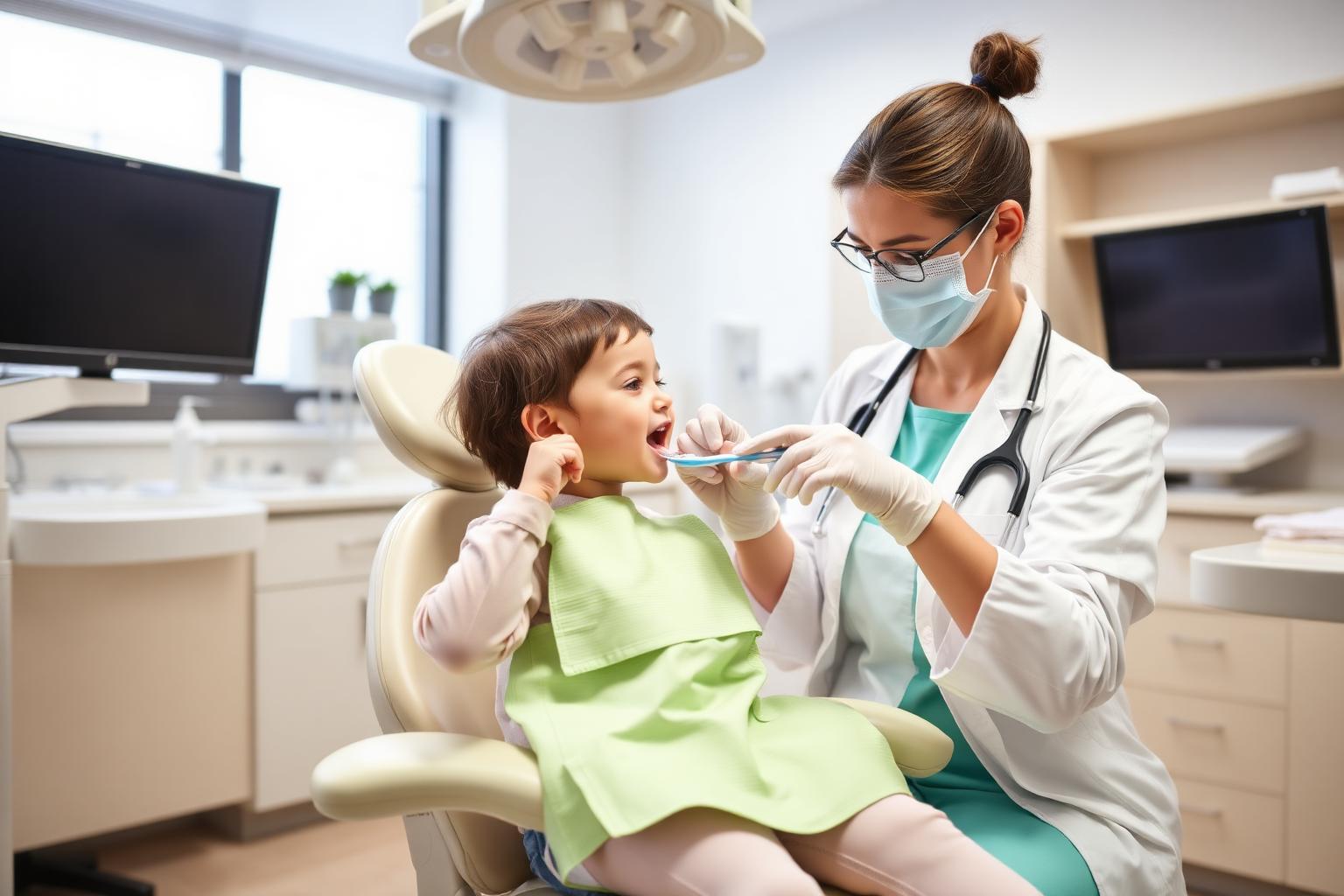
Orthodontic Screenings for Growing Kids in Canton, Ohio
Canton Pediatric Dentist provides early & interceptive orthodontics for kids for infants, children, and teens in Canton, Ohio, as a pediatric dental practice following American Academy of Pediatric Dentistry (AAPD) and American Dental Association (ADA) clinical guidance.
A first orthodontic look by age 7 reveals how the jaw and bite are developing while there's still time to guide growth. We evaluate, explain, and only intervene when it truly helps.
Spotting Orthodontic Problems Before They Grow
Most parents assume orthodontics starts in middle school, but the American Association of Orthodontists actually recommends a first checkup by age 7. At that point a mix of baby and permanent teeth gives us a real window into how the jaws are developing, long before a full smile of adult teeth locks patterns into place.
An assessment this early isn't about rushing into braces. It's a chance to watch, measure, and — when needed — nudge growth in a better direction while the bones are still soft and responsive.
Why Age 7 Is the Sweet Spot
By around age seven, the first permanent molars and incisors have usually come in, revealing the back-to-front bite relationship. Jaw growth is also still very active. Waiting until a teenager's jaw has largely finished growing removes options that were available years earlier, so this window matters more than it might seem.
What We Look For at This Visit
During a pediatric dental exam focused on orthodontic development, we check for crowding along the arches, crossbites where upper and lower teeth don't meet correctly side to side, deep overbites, and habits such as thumb sucking or prolonged pacifier use that can push teeth out of position. We also track jaw symmetry and how much room exists for teeth that haven't erupted yet.
Interceptive Orthodontics for Growing Smiles
When a problem is caught early, interceptive orthodontics — sometimes called Phase I treatment — steps in while a child is still growing. Rather than waiting for every permanent tooth to arrive and then correcting a fully formed bite, we address the issue at its root.
What Interceptive Treatment Can Prevent
A narrow upper arch, an emerging crossbite, or a habit that's reshaping the palate can be intercepted before they cause lasting changes to jaw structure. Left alone, these issues sometimes require tooth extractions, jaw surgery, or years of comprehensive braces later. Catching them early can shorten or simplify whatever treatment follows.
Appliances Commonly Used
Depending on what we find, interceptive care might involve a palatal expander to widen a tight upper jaw, a partial set of brackets to correct a crossbite, a habit appliance to discourage thumb sucking, or a simple space maintainer if a baby tooth was lost too soon. These appliances typically stay in place for 6 to 18 months.
Timing: Early Treatment vs. Braces Later
Not every child needs Phase I treatment, and that's perfectly normal. If nothing needs correcting yet, we simply recheck every 6 to 12 months and let development continue naturally. When comprehensive braces or aligners are eventually appropriate, usually between ages 9 and 14, the process tends to go faster and more predictably for kids who had an early evaluation along the way.
What Happens During the Appointment
The visit is relaxed and non-invasive. We take a look at tooth alignment, bite, and jaw relationship, sometimes supplemented with digital x-rays to see how unerupted teeth are positioned. Most children find the appointment no different from a routine visit for teeth cleaning.
Cost, Insurance, and Next Steps
Many dental insurance plans include coverage for orthodontic evaluations and a portion of interceptive treatment, though benefits vary by plan. We'll walk through what's typically covered and outline a plan tailored to your child before any treatment begins. According to the American Academy of Pediatrics, early screening supports healthier long-term oral development. If Phase I treatment is recommended, we coordinate closely with orthodontic partners so nothing falls through the cracks.
Supporting Healthy Habits at Home
Between visits, parents play a real role in orthodontic development too. Discouraging prolonged pacifier use past toddlerhood, watching for mouth breathing, and keeping up with regular oral hygiene instruction all support whatever growth pattern we're aiming for. Small daily habits add up over the months between checkups.

Growth-Guided Planning
Because a child's jaw is still forming at age 7, some corrections that require surgery in adulthood can be handled with a simple appliance now.
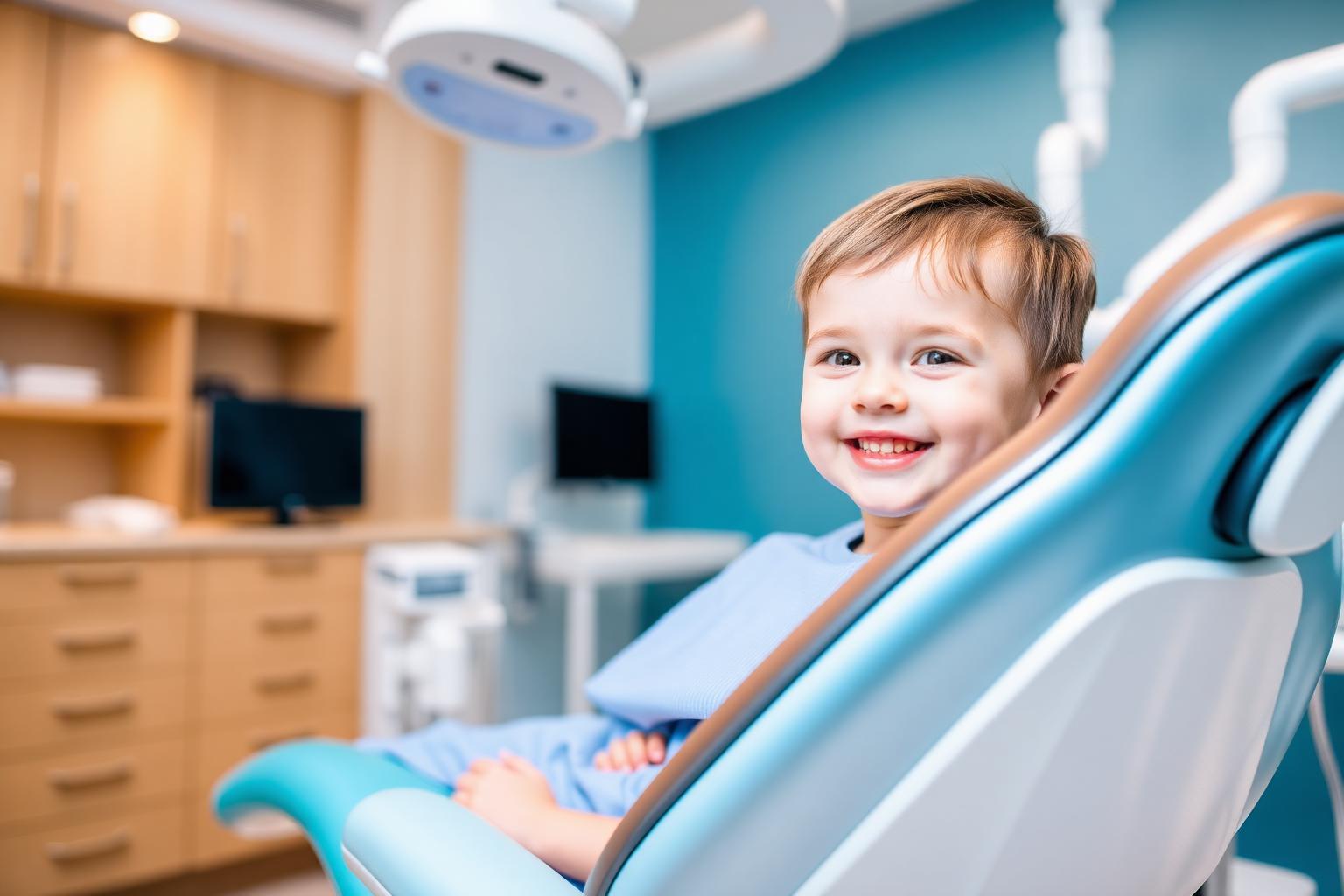
One Team, Coordinated Care
When a specialist referral is warranted, we stay involved in the plan so families always know what's next and why.
Why an early check pays off
- First evaluation recommended by age 7, per AAO guidelines
- Identifies crowding, crossbites, and overbites while jaws are still developing
- Interceptive appliances can shorten or simplify future orthodontic work
- Habit appliances help stop thumb sucking and tongue thrusting
- Coordinated referrals when specialty orthodontic care is needed
- Gentle, low-stress evaluation appointment
- Ongoing monitoring every 6-12 months if treatment isn't needed yet
- Clear, personalized roadmap for parents
About Canton Pediatric Dentist
These services often work together with an early orthodontic assessment. Canton Pediatric Dentist treats children across Canton, Ohio and neighboring areas — from first-tooth checkups and preventive fluoride and sealants through restorative, orthodontic, and urgent care. Full details of every service, our approach to child comfort, and how to book are on the main Canton Pediatric Dentist page.
Frequently Asked Questions
Curious If Your Child Needs an Evaluation?
A quick screening now can save years of complicated treatment later. Let's take a look and map out the best timing for your child.