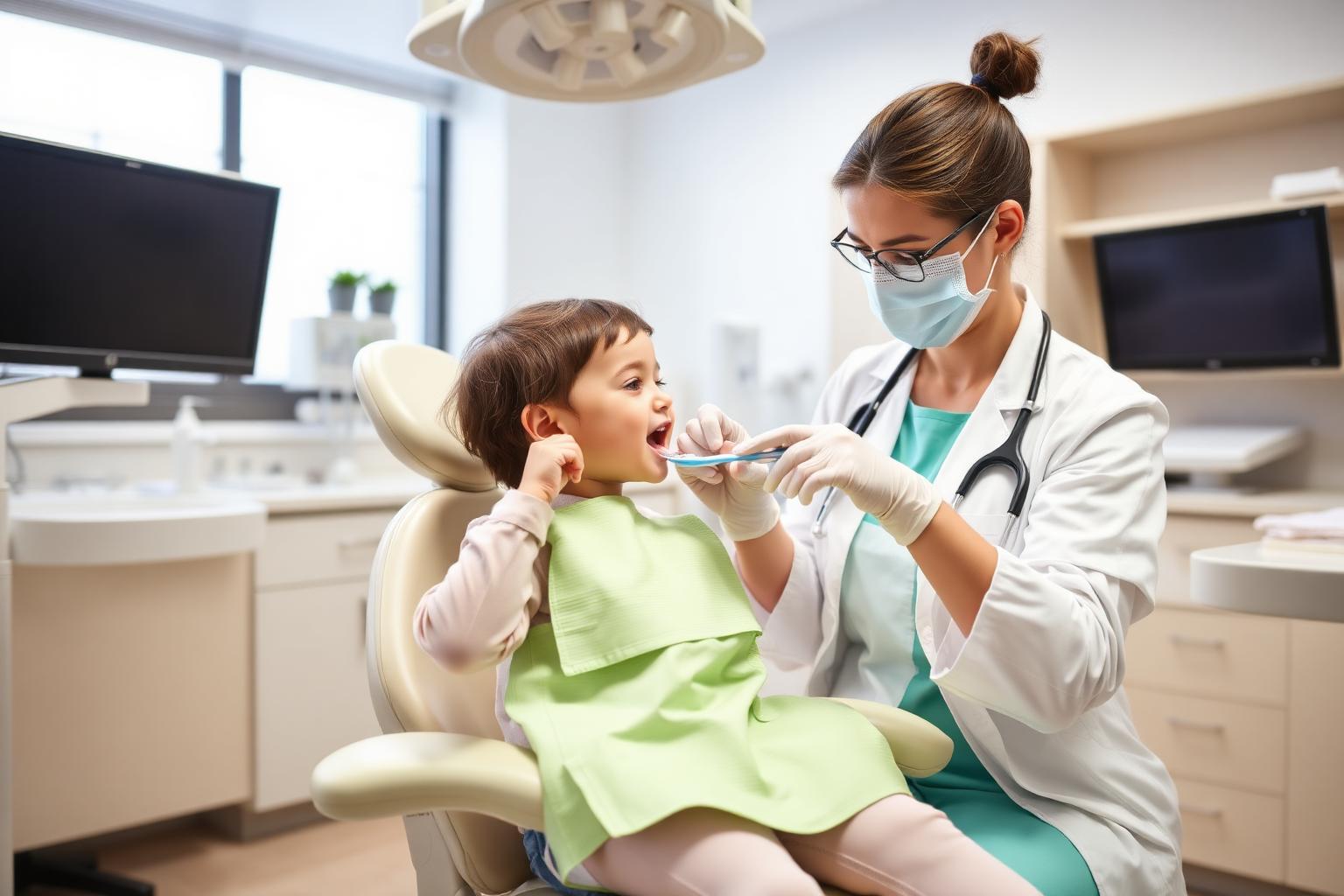
Planning Your Child's First Dental Visit in Canton in Canton, Ohio
Canton Pediatric Dentist provides first dental visit for kids for infants, children, and teens in Canton, Ohio, as a pediatric dental practice following American Academy of Pediatric Dentistry (AAPD) and American Dental Association (ADA) clinical guidance.
A first dental visit sets the tone for how your child feels about dental care for years to come. We keep infant and toddler appointments calm, brief, and focused on practical parent guidance.
The First Tooth, First Birthday Rule
Pediatric guidelines recommend scheduling a first dental visit by a child's first birthday or within six months of that first tooth breaking through the gum, whichever happens sooner. This early timeline surprises some parents who assume dental care starts once a full set of teeth has arrived, but early visits catch feeding or hygiene habits worth adjusting before they become harder to change. Our office in Stark County welcomes babies at this stage specifically because early guidance prevents far more than it treats.
Why So Early? The Knee-to-Knee Exam Explained
Infants and young toddlers can't yet sit still in a dental chair, so we use a knee-to-knee position: the parent and dentist sit facing each other with the child's head resting gently in the dentist's lap while the body stays secure in the parent's lap. This position gives a clear view into the mouth while keeping baby close to a familiar face the whole time. It typically takes only a couple of minutes and rarely causes distress, even for babies who initially fuss.
What to Bring to Make the Visit Smoother
A feeding or medical history summary helps us understand any factors that might affect oral development, and bringing a favorite toy or blanket can ease a toddler's nerves in a new environment. If your child already has a toothbrush at home, bringing it along lets us demonstrate technique with something they recognize. Insurance details are useful too, since coverage for preventive infant visits varies by plan.
Talking to a Toddler Before the Appointment
For toddlers old enough to understand a little, framing the visit with simple, upbeat words works better than detailed explanations. Saying the dentist will "count teeth" avoids planting worry, while reading a picture book about dental visits beforehand can turn an unfamiliar idea into something recognizable. Avoid words like "hurt," "shot," or "drill" even in passing conversation, since young children pick up on tone more than content.
What Happens During the Appointment Itself
Beyond the physical exam, we spend real time talking with parents about teething discomfort, bottle or pacifier habits, and how feeding choices — breast milk, formula, juice, or early solid foods — interact with developing teeth. We'll also demonstrate brushing technique for a mouth with only a few teeth, since a washcloth or finger brush is often all that's needed at this stage. Most infant visits run short, calm, and conversational rather than clinical. We also take a few minutes to note any family dental history that might be relevant, since certain risk factors for decay or misalignment can run in families and are worth tracking from the very first appointment.
What Comes After the First Visit
Once your child has been seen, we typically recommend returning every six months to keep pace with new teeth coming in and to reinforce hygiene habits as they develop. These follow-up visits gradually shift toward a full pediatric dental exam and routine cleaning as more teeth erupt and your child becomes more cooperative in the chair. If any early concerns come up, such as staining consistent with baby bottle decay, we'll map out next steps clearly rather than leaving you guessing. These early check-ins also give us a chance to answer questions about pacifier weaning, thumb sucking, or teething discomfort that many parents haven't had a good venue to ask about elsewhere.
Building a Long-Term Dental Home
Choosing where your child has their first visit often determines where they'll continue receiving care through adolescence, and consistency has real value. Seeing the same team over time means growth patterns, habits, and family history are already understood at every appointment, cutting down on repeated questions and building trust faster. According to the American Academy of Pediatric Dentistry, establishing this kind of dental home early is linked to better long-term outcomes and fewer emergency visits later in childhood.
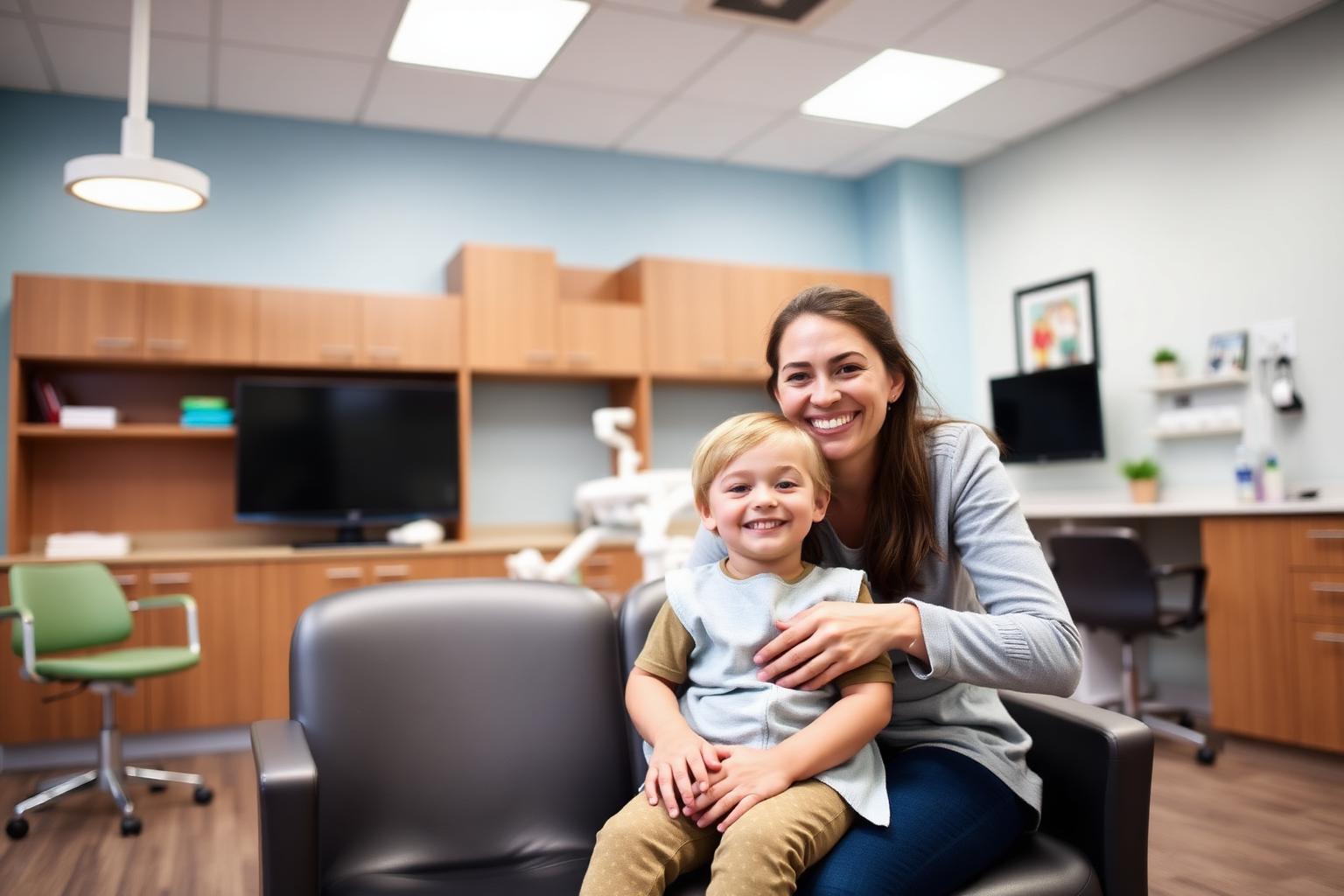
Understanding the Knee-to-Knee Position
This gentle infant exam technique lets the dentist see clearly into a baby's mouth while the parent stays close, keeping the whole process calm and quick.
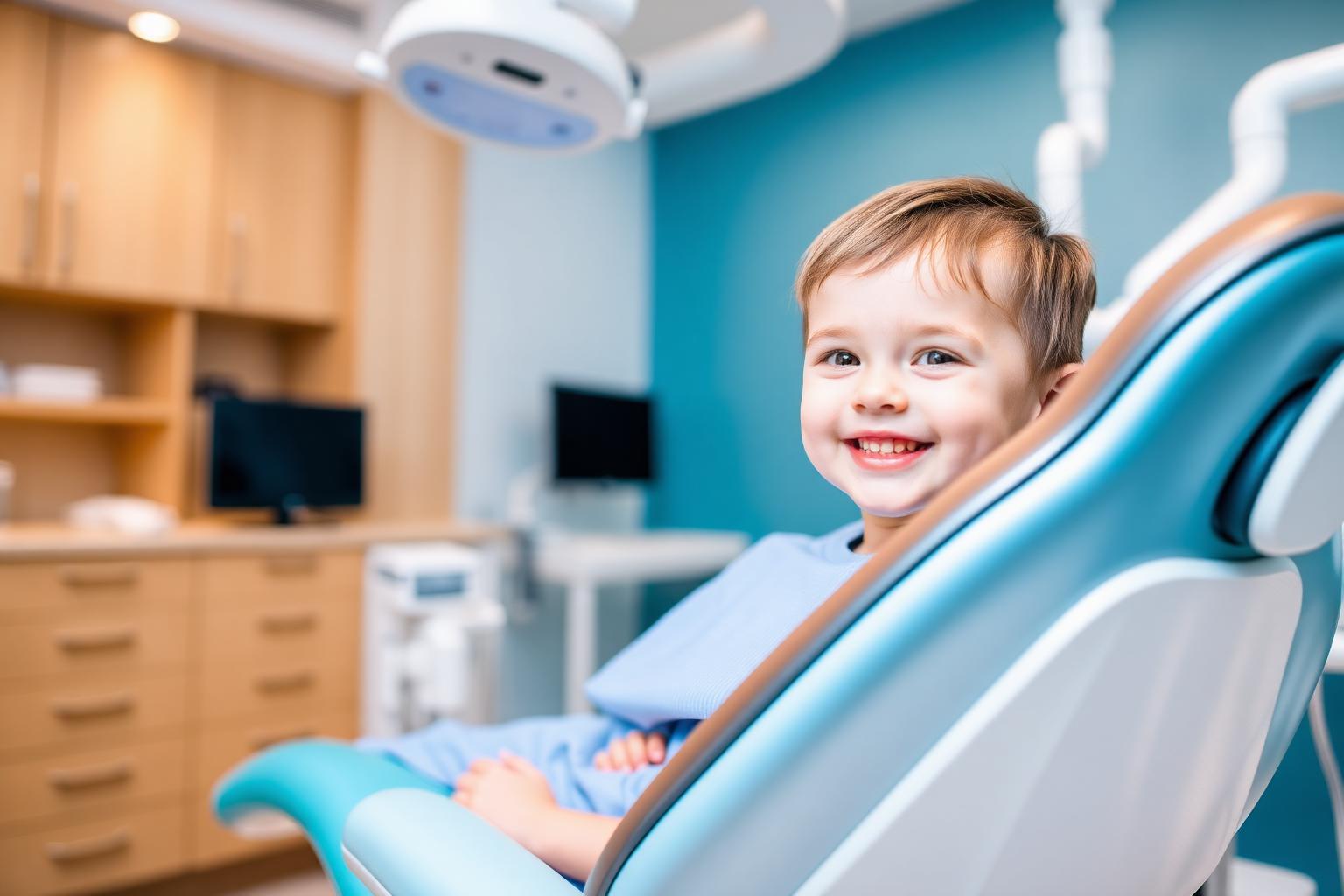
Feeding Habits and Early Tooth Health
Bottles, breastfeeding schedules, and early sippy cup use all influence how baby teeth develop, and the first visit is the ideal time to review them.
What Early Visits Set Up for Later
- Establishes a dental home before problems have a chance to develop
- Uses the knee-to-knee position to keep infants calm and secure
- Gives parents hands-on brushing guidance for very young mouths
- Screens early for feeding-related decay risks
- Builds familiarity that makes later visits far less stressful
- Opens a direct line for teething and pacifier questions
- Sets a six-month rhythm that scales with your child's growth
- Creates continuity of records as your child ages into fuller exams
About Canton Pediatric Dentist
These services often follow naturally after your child's first dental visit. Canton Pediatric Dentist treats children across Canton, Ohio and neighboring areas — from first-tooth checkups and preventive fluoride and sealants through restorative, orthodontic, and urgent care. Full details of every service, our approach to child comfort, and how to book are on the main Canton Pediatric Dentist page.
Frequently Asked Questions
Start Your Child's Dental Home Early
The sooner your child meets our team, the calmer future visits tend to be. Reach out to find a time that works for your family.