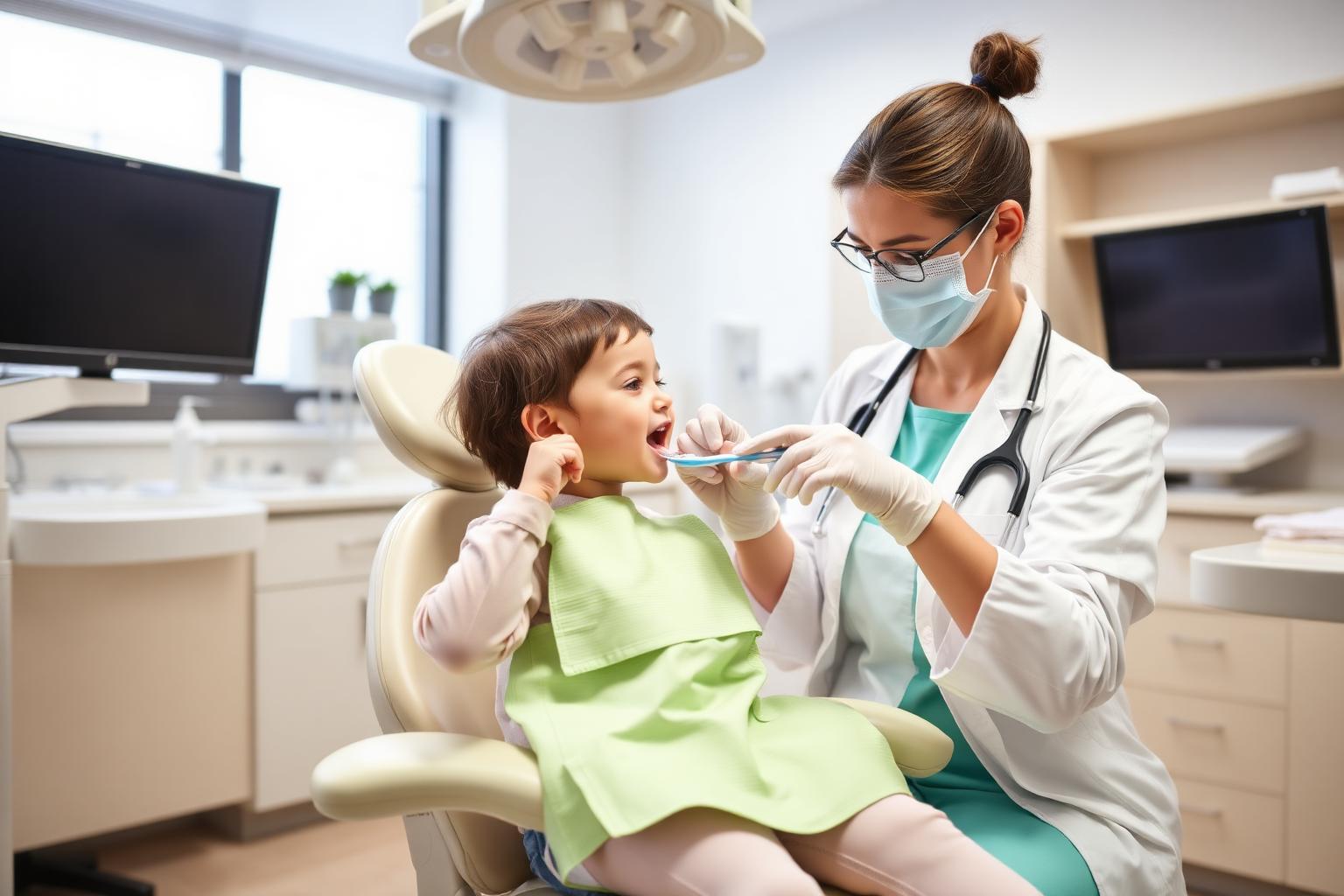
Oral Hygiene Coaching Built Around Your Child's Age in Canton, Ohio
Canton Pediatric Dentist provides child oral hygiene instruction for infants, children, and teens in Canton, Ohio, as a pediatric dental practice following American Academy of Pediatric Dentistry (AAPD) and American Dental Association (ADA) clinical guidance.
Learning to brush and floss well takes more than a quick reminder — it takes technique matched to your child's age and habits. We walk through what works at each stage, from first teeth to independent brushing.
Why Hands-On Coaching Beats a Generic Brushing Chart
Every child develops fine motor control at a different pace, so kids oral hygiene instruction in Canton, OH works best when it's tailored rather than handed out as a one-size-fits-all pamphlet. Our team shows both the child and the parent exactly where plaque tends to hide, using a mirror and simple language a toddler or teenager can actually follow.
Brushing Technique by Age
Infants and Toddlers (0–3)
Before teeth erupt, gums can be wiped with a damp cloth. Once teeth appear, a soft, small-headed brush and a rice-grain smear of fluoride toothpaste is enough — parents should do the brushing themselves at this stage.
Preschool and Early Elementary (4–7)
Kids this age can hold the brush and start the motion, but they rarely apply enough pressure or reach the back molars, so a parent should still finish the job once each day, typically at bedtime.
Older Kids and Tweens (8+)
Most children develop the coordination to brush independently around age 7 or 8, though it's smart to spot-check technique occasionally and watch for rushed two-minute sessions turning into ten-second swipes.
When Should Flossing Start?
Flossing should begin as soon as two teeth touch — often by age two or three for the back molars. A parent typically handles flossing until a child has the dexterity to manage it alone, usually around age ten. Floss picks can make the habit easier for smaller hands to manage without help.
Getting the Fluoride Amount Right
Too little toothpaste under-protects teeth, but swallowing too much can be a concern for younger children. A smear the size of a grain of rice is right for children under three, moving to a pea-sized amount from age three onward. We can also discuss in-office fluoride treatment if a child needs extra protection beyond what toothpaste alone provides.
Diet, Snacking, and Cavity Risk
Frequent grazing on crackers, juice, or sticky snacks keeps acid in contact with enamel throughout the day. Sticking to set snack times, rinsing with water afterward, and saving sugary treats for mealtimes rather than all-day snacking noticeably lowers cavity risk. This pairs naturally with regular professional cleanings that remove buildup brushing alone can miss.
Making the Routine Stick With a Reluctant Toddler
For kids who fight brushing, short, predictable routines work better than lectures. Letting your child choose their toothbrush color, using a two-minute song, or brushing side-by-side as a family can turn resistance into cooperation over a couple of weeks. If a child still gags, bites down, or panics at the toothbrush, our team can walk through desensitizing techniques during a regular exam rather than leaving parents to guess at home. According to the American Dental Association, consistency matters more than intensity — a calm daily habit beats an occasional thorough scrub.
Signs Your Child Is Truly Ready to Brush Solo
Age is only a rough guideline for independent brushing — dexterity matters more than the number on a birthday cake. A child who can tie shoelaces, write legibly, or button a shirt without help has usually developed the fine motor control needed to reach every surface of every tooth without a parent finishing the job. Until that coordination shows up in other everyday tasks, plan on doing a nightly check or a quick assist pass, even if your child insists they've "got it."
One practical test: watch your child brush without commentary, then check with a mirror afterward for missed plaque along the gumline or on the inside surfaces of the back teeth. If those spots are consistently clean on their own, independent brushing is probably safe to trust; if not, a few more months of light supervision usually closes the gap.
The Snacks and Drinks That Cause the Most Damage
Not all treats carry equal risk. Sticky, chewy foods like fruit snacks, dried fruit, and caramel cling to grooves and the spaces between teeth far longer than something that dissolves quickly, like ice cream or chocolate. Crackers and chips break down into a starchy paste that lingers in a similar way, even though they don't taste sweet. Sipped drinks — juice, sports drinks, and flavored milk — are particularly damaging when they're nursed slowly over an hour rather than finished at one sitting, since that stretches acid exposure across far more of the day than the sugar content alone would suggest.
Swapping a sticky snack for something like cheese, plain yogurt, or raw vegetables at least some of the time, and pairing any sweet treat with a glass of water afterward, meaningfully cuts down the acid attacks your child's enamel experiences in a typical week. Regular checkups also let us flag early enamel softening before diet changes are made.
Reinforcing the Habit at Every Visit
We revisit brushing and flossing technique at every checkup, adjusting guidance as your child's hands, teeth, and habits change. Pairing this instruction with sealants on new molars gives extra protection while good habits take root.

Signs your child's technique needs adjusting
Bleeding gums, a brush that still looks brand new after weeks of use, or plaque along the gumline are all clues that brushing needs a closer look at the next visit.
Tools that make home care easier
Two-minute timers, flavored fluoride toothpaste, and floss picks sized for small hands often turn a daily chore into a habit kids stick with on their own.
What personalized hygiene coaching adds
- Age-specific coaching instead of generic take-home instructions
- Hands-on demonstration using your child's own mouth and mirror
- Clear fluoride toothpaste guidance to avoid over- or under-use
- Practical flossing tips matched to your child's current dexterity
- Snack and drink strategies that lower everyday cavity risk
- Techniques for calming brushing resistance in toddlers
- Ongoing technique check-ins at every routine visit
- Guidance parents can realistically follow at home
About Canton Pediatric Dentist
Good habits work best alongside these routine preventive visits. Canton Pediatric Dentist treats children across Canton, Ohio and neighboring areas — from first-tooth checkups and preventive fluoride and sealants through restorative, orthodontic, and urgent care. Full details of every service, our approach to child comfort, and how to book are on the main Canton Pediatric Dentist page.
Frequently Asked Questions
Ready for a Hygiene Tune-Up?
We'll show your child exactly what to work on and give parents a simple plan to reinforce at home.